
Off-Plan
Property for sale in the UAE draws foreign money for reasons that are easy to state and hard to argue with: a dirham locked to the US dollar since 1997, no annual property tax, and rental yields among the highest in the world. The market has just broken records. Dubai alone cleared over 270,000 deals worth AED 917 billion (about USD 249.7 billion), and Abu Dhabi added AED 142 billion more.
Most of our clients are after one of three things: rental income near 5% to 8%, a hard-currency place to park money, or the 10-year Golden Visa that a AED 2 million home unlocks. Whichever it is, there is property for sale in the UAE to fit. Rumi Property helps overseas buyers weigh both emirates before they buy property in the UAE. This page lays out what each one really costs.
The pitch is short, and it holds. Four things line up here that a Western market rarely offers at once.
Expats make up close to 88% of the population, so foreign ownership here is not a niche. It is how the market runs.
Prices for properties in the UAE split hard by emirate and by neighbourhood, so a national average is close to useless. As a guide:
These are asking-price averages from portal data, not valuations. Read any per-foot figure as a starting point, then price the actual building.
Abu Dhabi is the cheaper of the two, on price per foot and on the transfer fee, which is about 2% against Dubai's 4%. Both let foreigners own freehold and carry the same tax treatment, so the real question is what you want the money to do. Dubai is bigger, faster and more liquid, with more listings and easier resale. Abu Dhabi is quieter, usually cheaper per foot, and halves the transfer fee at about 2% against Dubai's 4%. Investors chasing turnover usually start with Dubai property, while buyers who want space often prefer Abu Dhabi property.
The best properties for sale in the UAE are concentrated in two emirates.
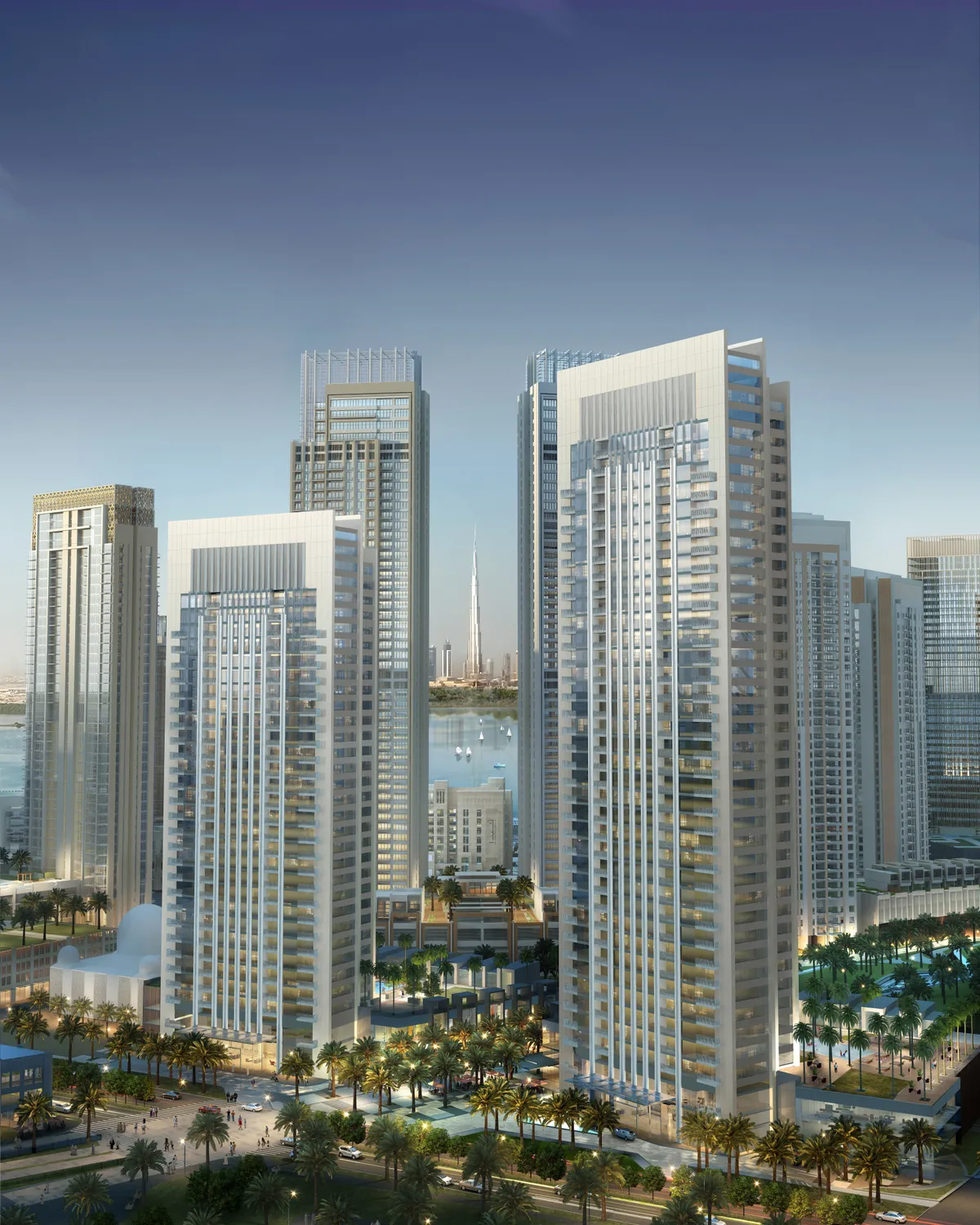
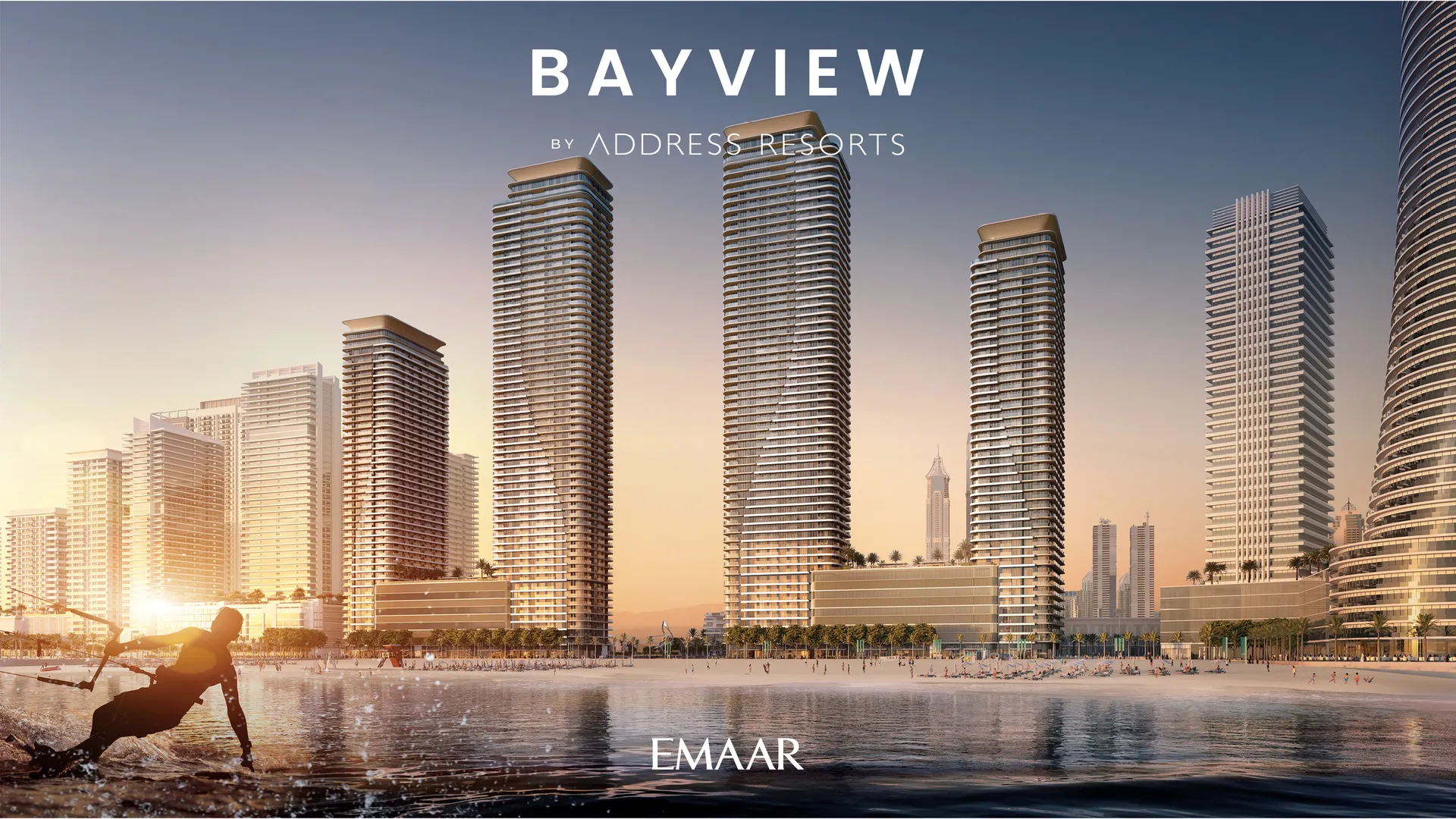
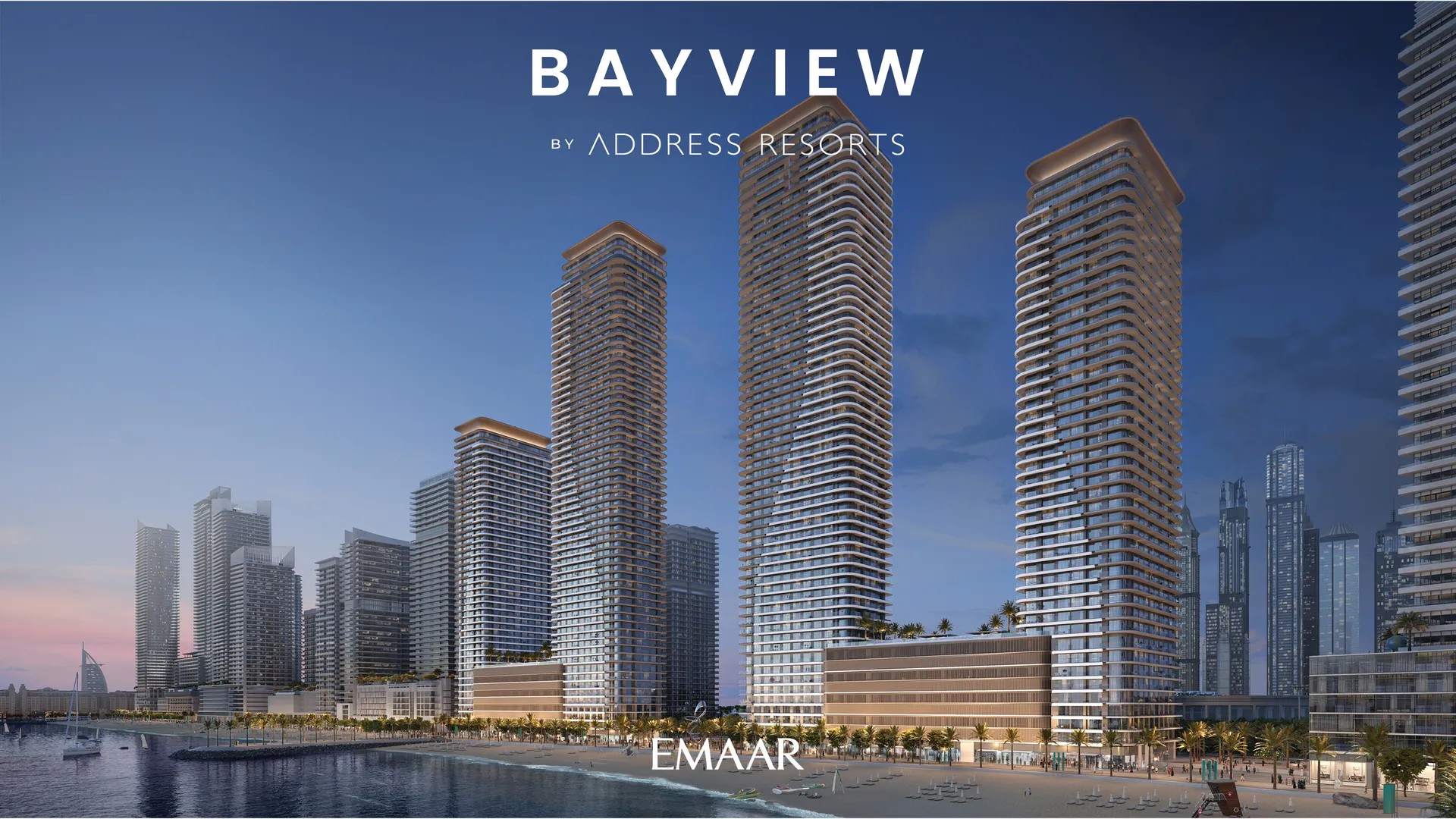
Dubai Marina is a waterfront of towers built for rental, while Downtown wraps around the Burj Khalifa for buyers who want the address. Both are prime for yield or prestige.
JVC is Dubai's yield play, where one bedrooms start near AED 1.1 million and gross returns run about 7.4%, popular for affordable stock.
In Abu Dhabi, Saadiyat is the cultural district with the Louvre Abu Dhabi, and Yas trades on Ferrari World and the F1 circuit. Both suit lifestyle buyers.
Al Reem is Abu Dhabi's busiest mid-tier freehold zone and a common entry point, minutes from downtown and about 24 minutes from the airport.
Properties for sale in the UAE come in three formats.
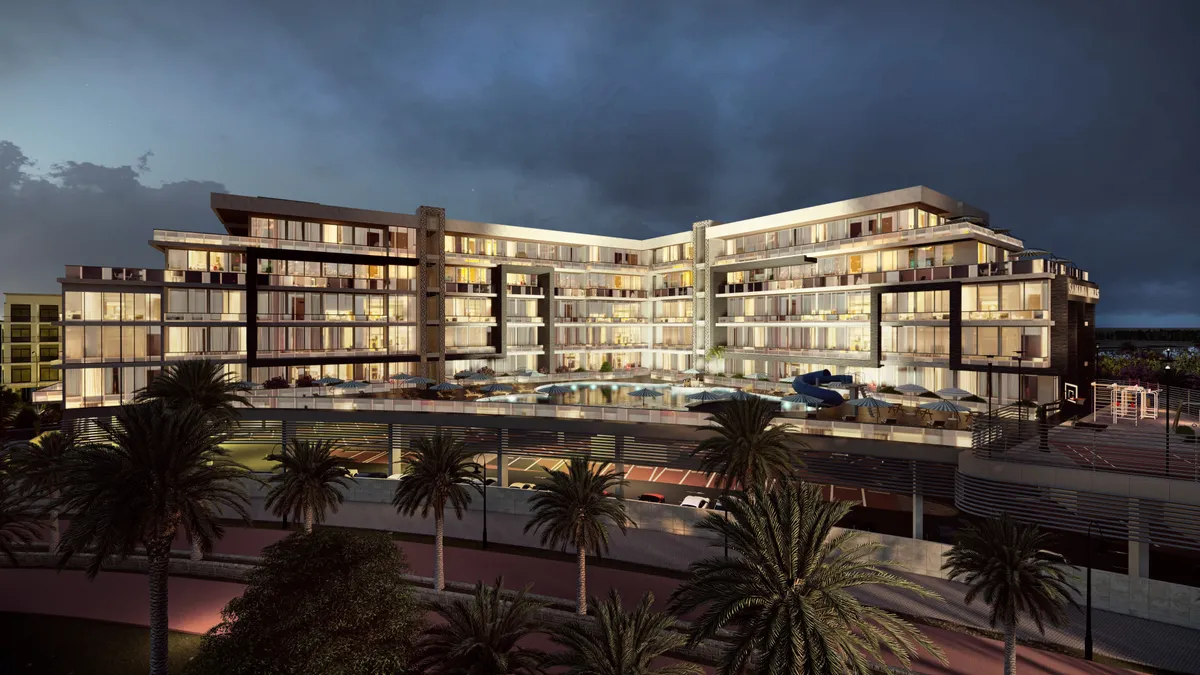
The default for investors. Apartments hold the strongest rental demand among properties in the UAE and out-yield villas, roughly 7% against 5% in Dubai.
Bought mainly by families. Palm Jumeirah villas run above AED 6,000 per square foot; Abu Dhabi's island villas are more attainable, with stronger capital growth than income.
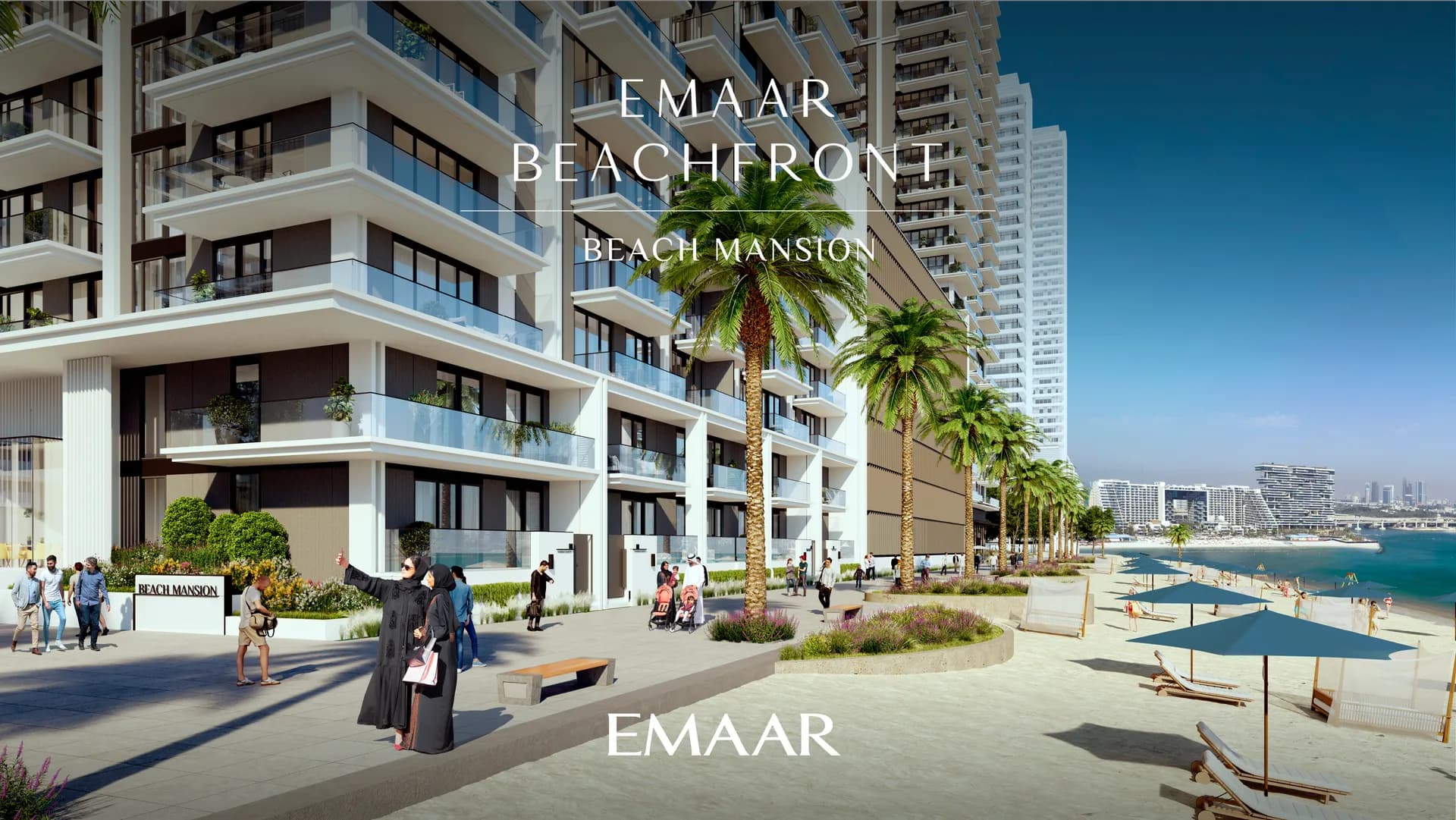
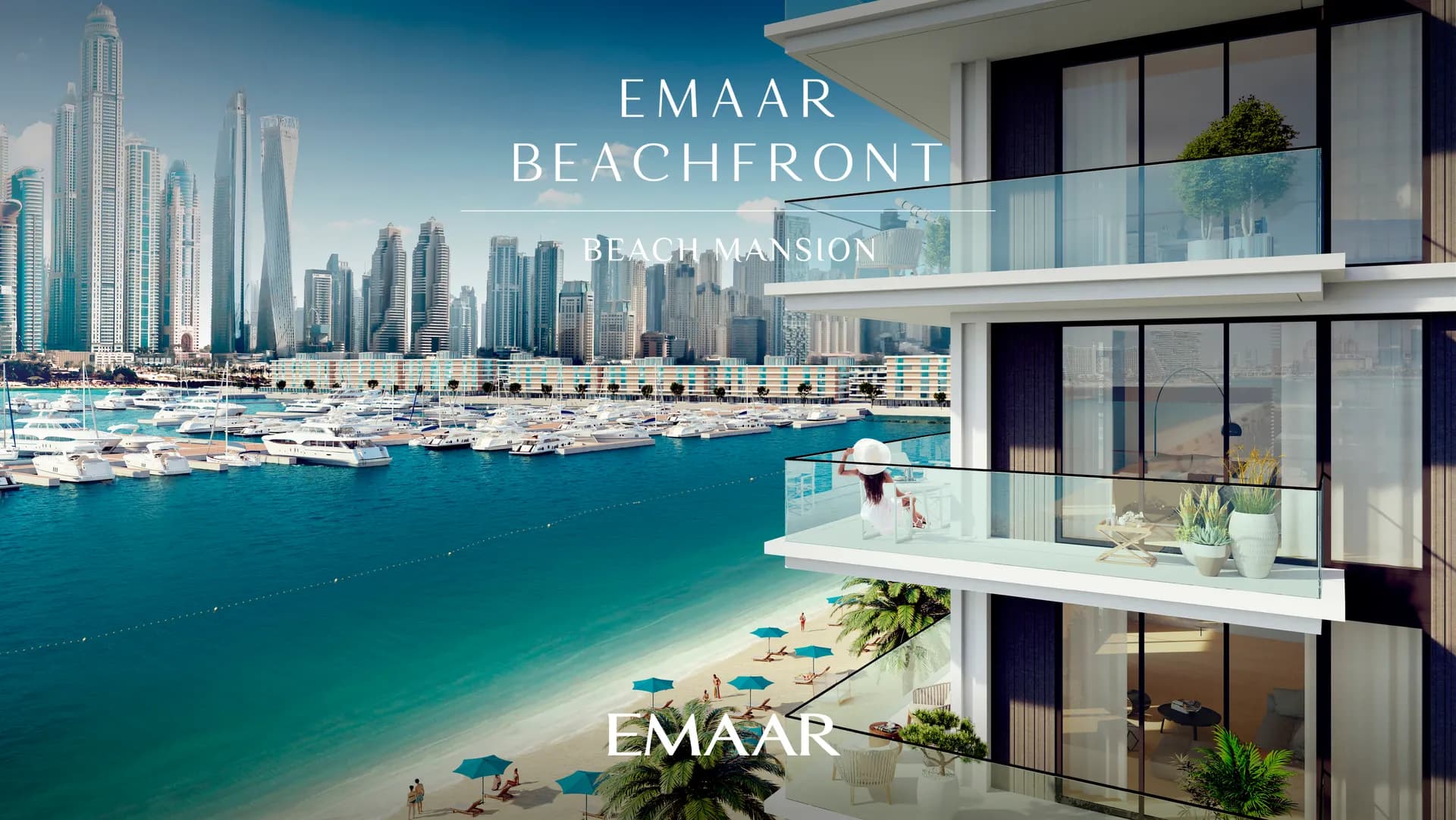
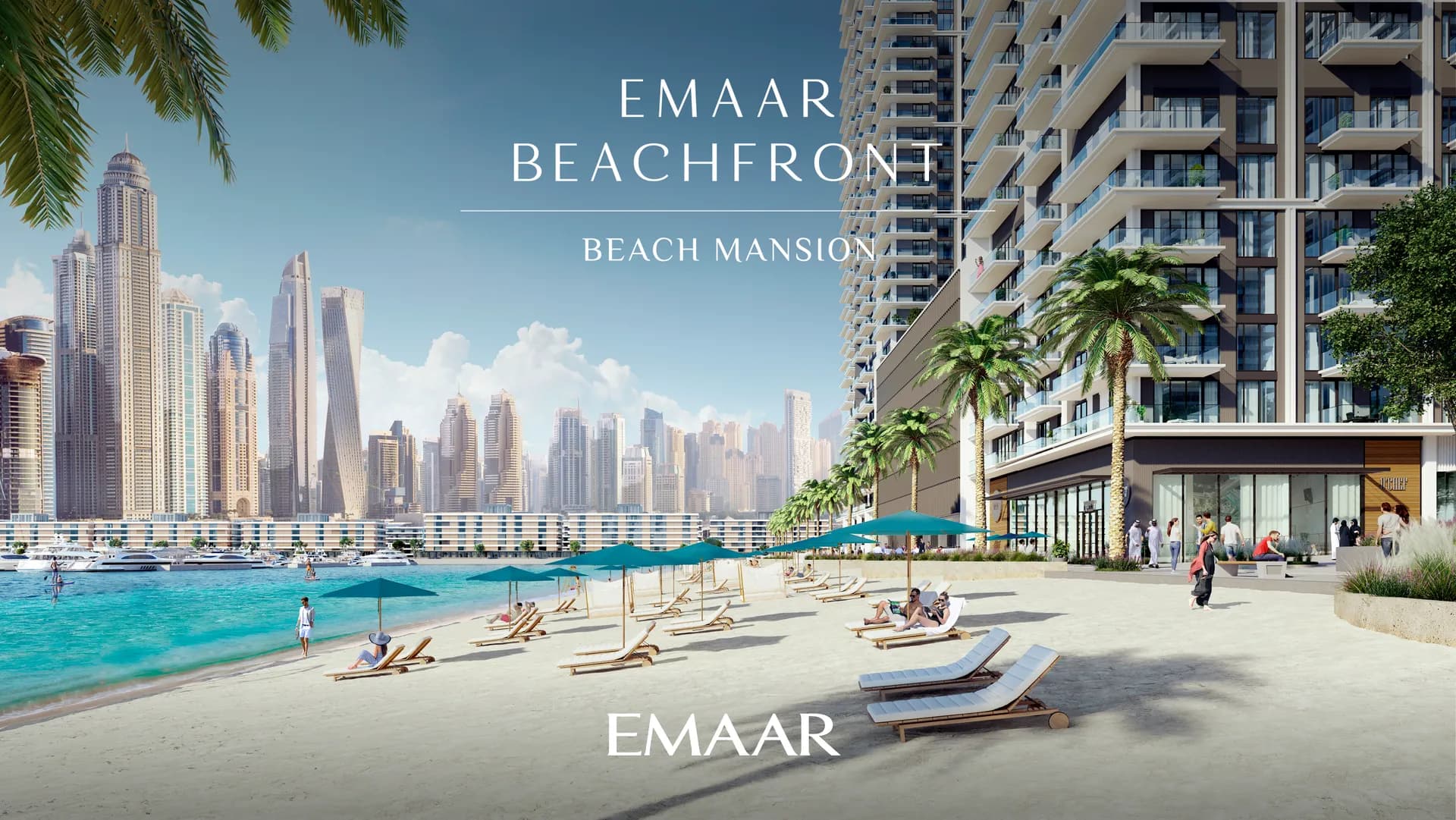
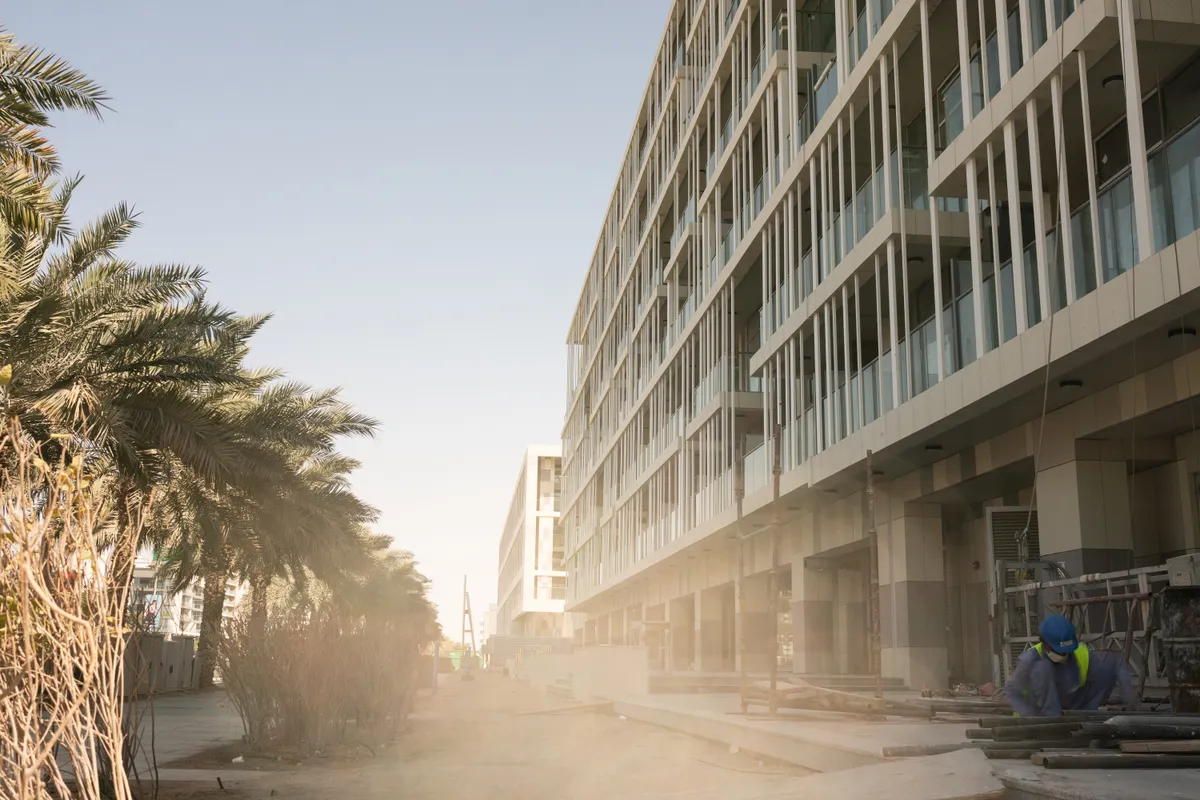
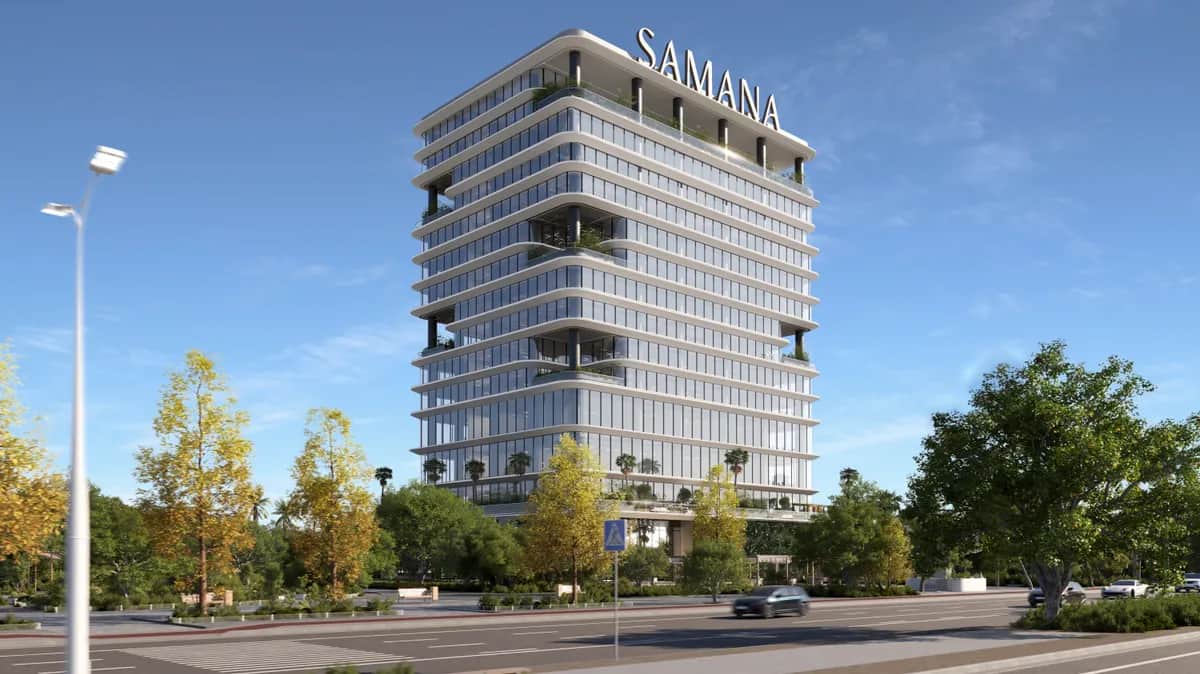
Buying from the developer before completion. A lot of stock trades this way and it counts toward the Golden Visa, but it carries completion risk. In Dubai your money must sit in a project-specific escrow account under Law No. 8 of 2007, released only against verified construction milestones.
The gross numbers are good by global standards, with Dubai clustering near 7% and Abu Dhabi's mid-tier islands higher still. The figure that matters is what lands after costs. Service charges, vacancy and management routinely turn a 7% headline into something closer to 5%, and almost no listing quotes the service charge per square foot. Ask for it before you model anything. On that basis, real estate in the UAE still clears most Western markets comfortably.
Buy a home worth AED 2 million or more, in one property or several combined, and you qualify for a renewable 10-year residence visa covering your spouse, children and parents. Mortgaged and off-plan homes qualify too, not only fully-paid ready ones. The current rules sit on our UAE Golden Visa page.
Foreigners get full freehold, but only in designated areas: broadly across Dubai under Regulation No. 3 of 2006, and inside Abu Dhabi's investment zones under Law No. 13 of 2019. That distinction matters more than most pages admit, because outside those Abu Dhabi zones a foreign buyer cannot take freehold at all. Budget 7% to 10% over the price for the transfer fee, trustee and registration costs and agency commission. On a resale the seller needs a developer no objection certificate before the title moves.
Our honest position is that real estate in the UAE still deserves the attention, but the two emirates are diverging and the choice between them matters more than it did three years ago. Dubai is repricing slowly after a hard run. Abu Dhabi is being repriced by foreign money, with first-quarter transaction value up more than 160% on the year and foreign direct investment up over 400%.
What we expect next is divergence within each market too. Dubai apartment supply keeps landing while villa stock stays tight, so we expect villas to hold value better there. In Abu Dhabi the newest islands look frothy on launch pricing, and we would not assume a functioning resale market exists on them yet.
Our steer: pick the emirate by what you want the money to do. Dubai for liquidity and short-let income, Abu Dhabi for a lower entry price, a 2% transfer fee instead of 4%, and space. Whichever you choose, underwrite on the net yield after service charges rather than the gross number in the listing, and confirm the plot is in a designated freehold zone before you pay a deposit.
We have placed foreign buyers in international property since 2004, and we work both emirates rather than pushing whatever one developer is selling. Our team speaks English, Dutch, Farsi, Turkish and Arabic, arranges viewing trips, and handles the escrow checks, the no objection certificate and the title transfer so nothing gets lost in a language you do not read. Tell us your budget and what you want the property to do, and we will send a shortlist of property for sale in the UAE that fits.